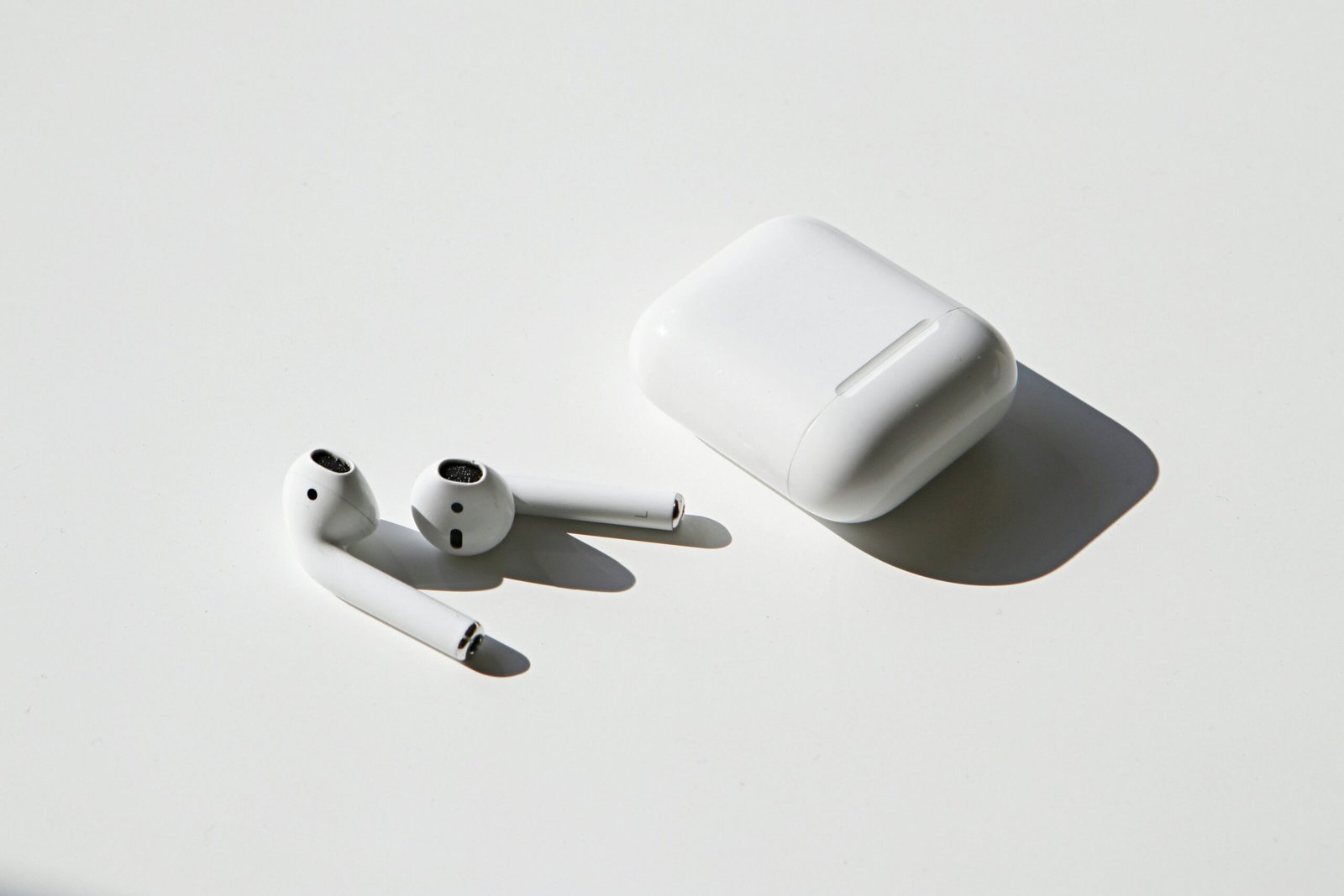
Best Budget Wireless Earbuds Under $100 in 2026 (Buying Guide)
Great-sounding wireless earbuds no longer require a three-figure splurge. The under-$100 category has become fiercely competitive, and the best budget models now offer active noise cancellation, solid battery life, and comfortable fits that were reserved for premium buds just a couple of years ago. The challenge is not finding cheap earbuds; it is finding the ones that actually sound good, stay in your ears, and last.
This guide explains exactly what matters at this price, what compromises to expect, and which types of earbuds suit different needs, from commuting and workouts to calls and casual listening. Every product recommendation below is marked with a placeholder link so you can see where our picks would sit; we use clearly labeled affiliate placeholders rather than fabricated links.
What to Look For in Budget Wireless Earbuds
Before comparing specific models, it helps to know which specs genuinely affect your experience and which are just marketing. At this price, a handful of factors separate a great buy from a frustrating one.
Sound Quality and Tuning
Most people do not need audiophile-grade drivers; they need a balanced, pleasant sound that is not muddy or harshly bright. Look for buds with a reputation for clear mids and controlled bass rather than a boomy low end that drowns out vocals. Support for the AAC codec (for iPhones) or aptX (for many Android phones) can improve wireless audio quality, though the difference is subtle for casual listening.
Active Noise Cancellation vs Passive Isolation
True active noise cancellation (ANC) has trickled down to the budget tier, but quality varies widely. Cheaper ANC can reduce low, droning sounds like an airplane cabin while doing little for voices. For many buyers, a snug fit that physically blocks noise (passive isolation) matters more than a mediocre ANC circuit, so do not pay a premium for ANC unless reviews confirm it works well.
Battery Life and Charging
Expect around five to eight hours per charge from the buds, plus two to four full recharges from the case. USB-C charging is now standard and preferable; wireless charging is a nice bonus but rarely essential. If you take long flights or forget to charge often, prioritize total case capacity over headline single-charge numbers.
Fit, Comfort, and Water Resistance
The best-sounding earbuds are useless if they fall out or hurt after an hour. Multiple ear-tip sizes, a secure design, and an IPX4 or higher water-resistance rating (important for workouts and rain) are the practical features that determine whether you will actually enjoy using them every day.
Best Budget Wireless Earbuds by Use Case
Rather than crown one universal winner, it is more useful to match earbuds to how you listen. Here is how we would approach each common scenario.
Best All-Rounder for Everyday Use
For general listening, calls, and commuting, look for a well-reviewed pair with balanced sound, reliable Bluetooth 5.2 or newer, decent ANC, and a comfortable fit across long sessions. This is the category where the big-name budget brands compete hardest, so you get the most value.
Best for Workouts and Running
Gym and running earbuds need a secure fit (wingtips or ear hooks help), an IPX4+ sweat rating, and physical or reliable touch controls you can use mid-set. Battery life matters less here because sessions are short, so prioritize grip and durability. These pair naturally with a home workout routine, and if you are building one, our small-space home gym ideas guide covers the rest of the setup.
Best for Calls and Working From Home
If you take a lot of calls, microphone quality and consistent connection matter more than bass. Look for buds with multiple mics and beamforming, plus a stable multipoint connection so you can switch between your laptop and phone. For a complete call setup, pair them with one of the best webcams for video calls under $100 from our home office lineup.
Common Budget Earbud Mistakes to Avoid
A few predictable missteps cause most of the disappointment shoppers report in this category. Avoiding them saves both money and frustration.
- Chasing ANC at all costs: weak budget ANC often adds hiss without meaningfully cutting noise. A good seal frequently outperforms it.
- Ignoring the fit: read reviews about comfort and stability, since even great-sounding buds are useless if they fall out.
- Overvaluing huge battery claims: total case capacity and real-world numbers matter more than optimistic single-charge figures.
- Skipping water resistance: an IPX4 rating costs little and protects against sweat and rain, extending the life of your buds.
- Buying no-name brands with no track record: unknown brands may lack firmware updates and reliable warranty support.
How Much Should You Actually Spend?
The sweet spot for most people sits between $40 and $80. Below $40, you can still find serviceable earbuds, but expect compromises in microphone quality, ANC, and durability. Between $80 and $100, you get the best of the budget tier, often approaching mid-range performance. Spending more than $100 only makes sense if you specifically want top-tier ANC or ecosystem features like seamless device switching.
If you are outfitting a broader tech setup, it is worth reading our related guides on the best budget tablets under $300 and the 7 best budget laptops under $500 to spend your overall budget wisely across devices.
Frequently Asked Questions
Are wireless earbuds under $100 any good?
Yes. The budget wireless earbud market has improved dramatically, and models under $100 now commonly include active noise cancellation, USB-C charging, water resistance, and balanced sound. The key is choosing a reputable brand with strong reviews for fit and reliability rather than the cheapest unknown option.
Do cheap earbuds have good noise cancellation?
Budget active noise cancellation is hit or miss. It can reduce steady low-frequency noise like an airplane hum but often struggles with voices. For many buyers, a snug ear-tip fit that physically blocks sound matters more, so do not pay extra for ANC unless reviews confirm it performs well.
What is a good battery life for budget earbuds?
Aim for at least five to eight hours per charge from the earbuds, plus two to four additional full charges from the case. Total combined battery life of 20 to 30 hours is common and practical for most users, and USB-C charging is now the expected standard.
Are wireless earbuds good for working out?
They can be excellent for workouts if they have a secure fit and an IPX4 or higher sweat-resistance rating. Look for wingtips or ear hooks to keep them in place during movement, and prioritize grip and durability over maximum battery life for gym use.
Should I buy earbuds with USB-C or wireless charging?
USB-C charging is now standard and is the most important feature to have because it is fast and universal. Wireless charging is a convenient bonus but rarely worth paying a premium for on a budget pair, so treat it as optional rather than essential.